

China’s Luxury Market Has Changed. Forever.
Forget the lazy clichés of “Chinese love logos” or “just do limited edition red products.”
That era is dead. Consumers are younger, smarter, hyper-digital… and they’ve grown up with choice.
Today:
- Gen Z has the money AND the attitude.
- Social commerce rewrote the path to purchase.
- Chinese luxury brands inspired by Oriental aesthetics are rising fast.
- Competition is brutal, expectations are higher, and loyalty? Earned, not assumed.
So if international luxury brands want to win, no more “surface localization”.
They need real, structural Chinese market transformation.
Here are the 10 Core Luxury Strategies brands MUST master in China… explained like a marketer who lives in China, not a PowerPoint in Paris.
Find out here.
Digital First? No. Digital IS The Core Battlefield.

In China, online isn’t “support”.
Online IS luxury retail.
WeChat = Your HQ.
Douyin & Xiaohongshu = Where desire is created.
Livestream, mini-programs, social CRM = Not optional.
💡 During Double 11, over 90% of luxury purchases were driven online.
Still think your website is enough? Think again.
2️⃣ Build Your Own Private Traffic — Or Keep Paying Rent Forever
If platforms own your customers, you don’t have customers. You have visitors.
Luxury brands now build:
- Private WeChat communities
- VIP service groups
- Elite membership ecosystems
- Direct relationships managed by human advisors
This is how you kill daigou dependence.
This is how you OWN your client relationship.
3️⃣ Big Brand, Small Circles — Welcome to Club Marketing
In China, mass exposure ≠ trust.
People believe… people. Especially small trusted circles.
So instead of throwing millions at mega-KOLs, brands are winning by:
✔️ Working with credible KOCs
✔️ Hosting private salons
✔️ Creating insider experiences
✔️ Letting real users tell real stories
Luxury in China isn’t loud. It’s whispered… strategically.
4️⃣ Culture Is Not Decoration. It’s Emotion.
Slapping dragons, zodiac animals, and “China Red” doesn’t equal localization.
Chinese consumers smell laziness instantly.
Winning brands:
🎨 Build authentic Chinese cultural storytelling
🤝 Co-create with Chinese artists and designers
🏛️ Collaborate with museums & cultural institutions
❤️ Create emotional cultural resonance
That’s why Chanel hosting its Métiers d’Art show in Hangzhou was genius — not just marketing. It was respect, narrative, and cultural conversation.
5️⃣ China’s New Luxury Mindset: “Prove Your Value”
Consumers are no longer paying only for a logo.
They want craftsmanship. Longevity. Emotional meaning.
87% of Chinese luxury buyers say timelessness matters more than trend.
So stop shouting “dream”.
Start showing:
- Craft
- Materials
- Design philosophy
- Sustainability
- Heritage with relevance
Luxury must justify itself again. And yes — Chinese buyers are demanding.
6️⃣ Segment Ruthlessly. Communicate Differently.
China has:
- Ultra high-net-worth loyal whales
- Gift buyers
- Aspirational middle-class brand believers
One message doesn’t work.
VIPs want:
💎 Concierge service
💎 Access
💎 Privilege
Middle-class consumers want:
✨ Fun engagement
✨ Entry experiences
✨ Digital touchpoints
Luxury in China = Precision + Personalization.
7️⃣ Go Beyond Tier 1. The Real Growth Is Elsewhere.
If you think China = Beijing + Shanghai, you’re playing the wrong game.
Tier 2 & 3 cities are:
🔥 Cash strong
🔥 Status driven
🔥 Hungry for brand experiences
Opening in these cities isn’t “expansion”.
It’s claiming the future battlefield.
8️⃣ Your Store Is Not a Store. It’s a Temple.
If your boutique is a warehouse with marble floors… congratulations, you’re boring.
China wants immersive brand worlds.
Think:
🏛️ Museum collaborations
🎭 Cultural exhibitions
🧠 Educational luxury experiences
🚀 Talkable pop-ups
Louis Vuitton didn’t just sell. It curated cultural presence. That’s how luxury wins in China.
9️⃣ China Moves Fast. Faster Than Your Global HQ.
China doesn’t wait 18 months for “global alignment”.
Brands succeeding here:
⚡ React in real time
⚡ Launch China-exclusive products
⚡ Adapt communication speed
⚡ Empower local teams
Slow kills brands.
Agility builds dominance.
🔟 Compete With Chinese Luxury : And Learn From Them
Chinese luxury brands aren’t “cute experiments” anymore.
They are competitors.
Serious ones.
Brands like:
🌿 To Summer
🎒 Songmont
Win because they:
- Master Chinese aesthetics
- Build emotional communities
- Deliver insane digital experiences
International brands must learn, not look down.
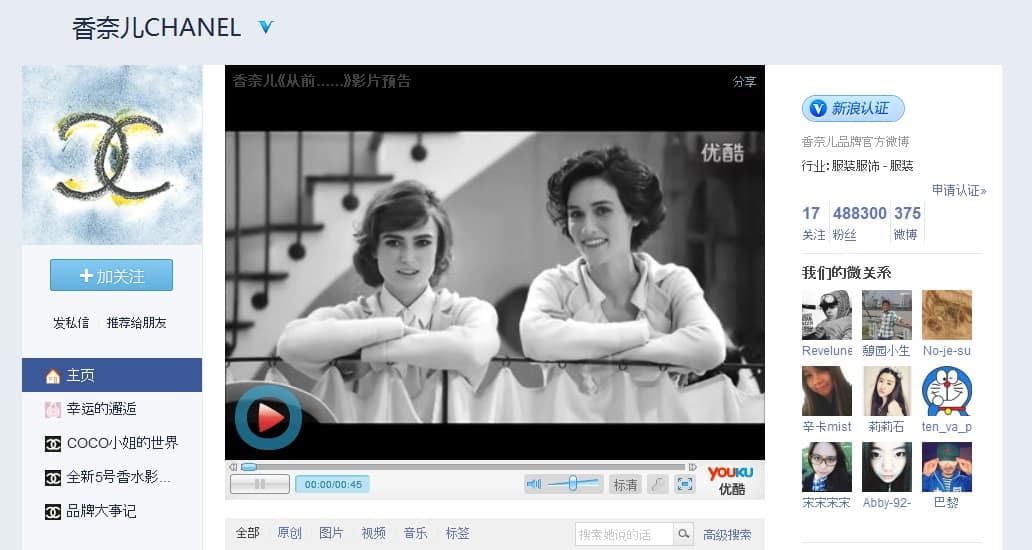
But not only that …
- An active account, comments, retweets and likes
- For a brand to be really popular, it is needed to talk about it on the net
- Maintaining good relationships with key opinion leaders can increase the interactivity of the account
1.2 – The community management
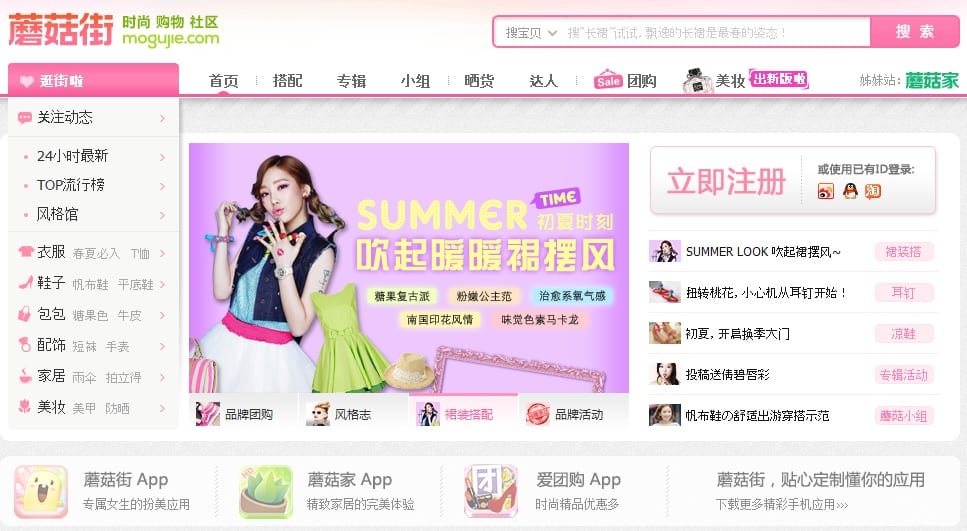
There are other SNS (Social Networks Site) that can influence users. Forums are places of exchange, and a brand must be informed of what is said about it and answer if it’s necessary.
Another platform, like Mogujie
Control your e-Reputation
Baidu has developed the Baidu Brand Zone, a banner for the brand where they can put the information they want such as photos, videos, website …
For example, here is the Baidu Brand Zone of Louis Vuitton
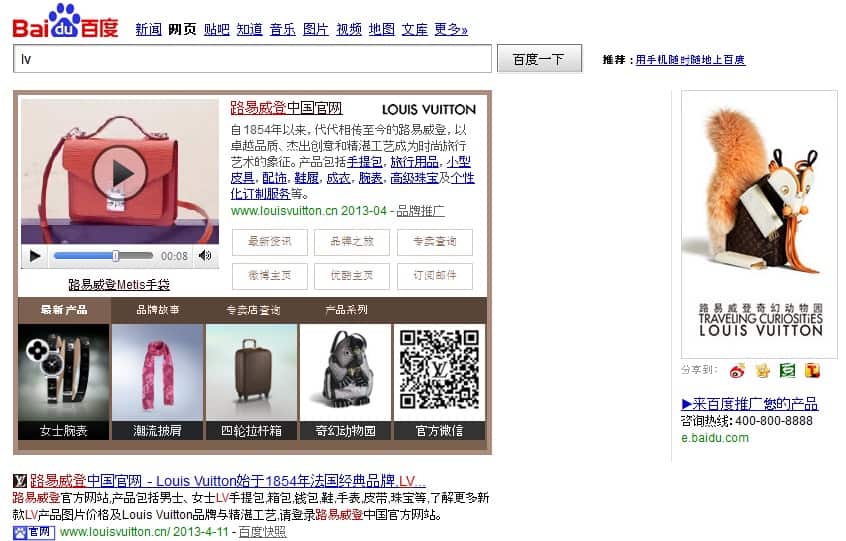
Concerning the e-reputation on Baidu, a brand also needs to control what is said about it, by :
- An information watch
- Content management
- Crisis management
Control and master his reputation goes through the Public Relation related to SEO on Baidu.
Public Relations
There are 2 different public relations, the first one is Public Relations magazine which is to say traditional press on paper, which is very little read by the comfortable class (unless if these media are distributed in strategic locations, like magazine aircraft).
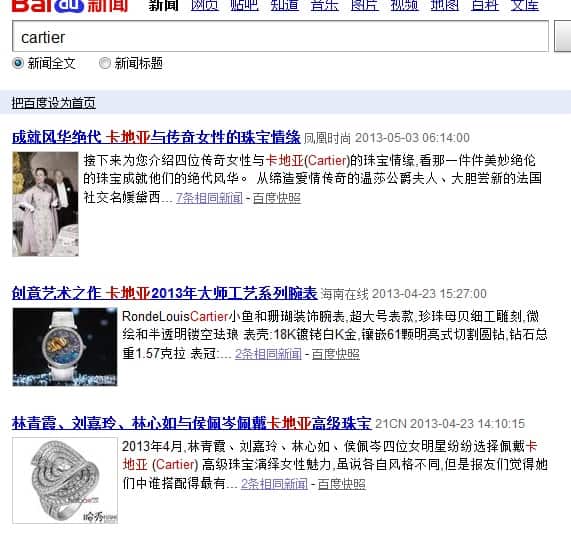
The other one is e-Public relations. It is important to try to get some articles on online media.
A luxury brand in China must be present in the newspapers, and it is needed that the media talk about it in a good way!
For example, below you can see several articles about Cartier :
4 – Website
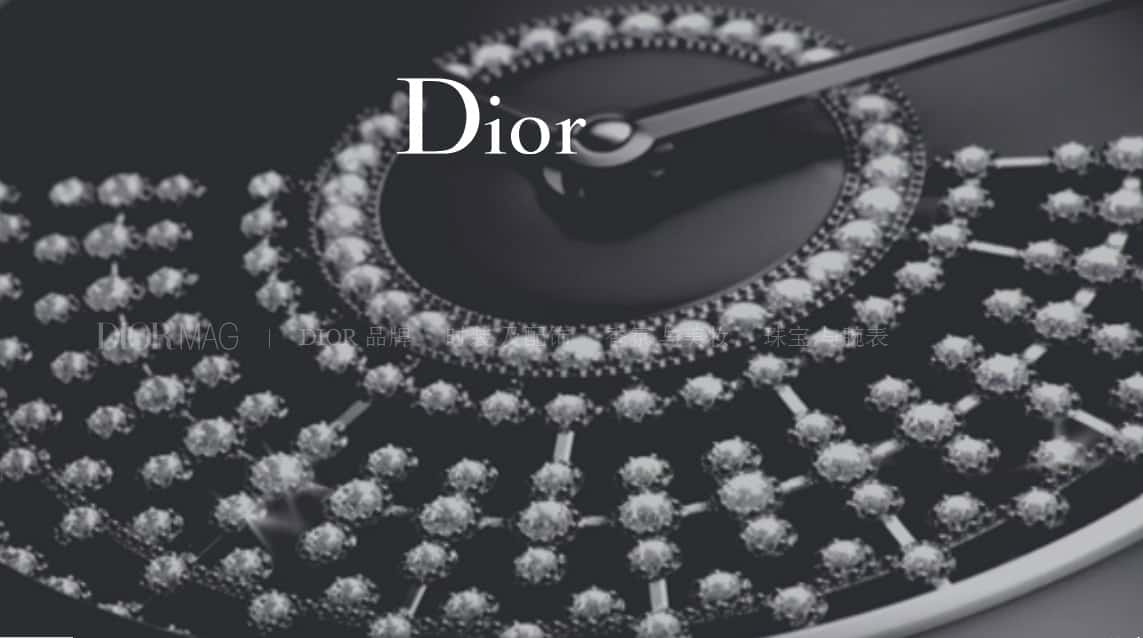
A good website is obligatory for luxury brands. Without a nice design, a good implementation product, and basic information in Chinese about the brand … a luxury brand can’t have credibility.
If we look at the various websites of the major luxury brands, their design is not bad, but doesn’t immerse the visitor in their world like in their store.
To me, only Dior has succeed, I invite you to look at their website.
5 – WeChat – OtoO (Online to Offline)
The best digital tool on OtoO (Online to Offline) is WeChat with the QR Code after you can send news in push-up (only to people who wish to receive it). We can engage online people and make them come to events. We can also make subscribe to people offline (for example store) at an online account.
Here is an example of events used by the luxury brand in China
– Event with a reminder, to remind event to the participants
– Online event to make some people in the shop
– Stores are digitalized, with big screens, and tabs in order for to visitors can continue to follow the brand.
6 – E-Commerce
The growth of e-commerce is booming in China, which offers new opportunities for luxury brands (see this article)
We can measure 242 million online consumers in 2012. This figure will increase up to 48 million per year. Today, a majority of brands have an e-commerce website.
In China, you can choose if you want to be on Tmall or to possess his own website. It is advised to have both.
e-Commerce is growing in China even in luxury for several reasons :
- Many rich Chinese are living in distant towns so ordering online is more practical
- You are not afraid to have copies of the product
- To be delivered at home is more discreet for many officials who don’t wish to be exposed.
- For the business gift (which represents an important market), orders online can be delivered to the company.
The success or the failure of an e-commerce website in luxury in China (or elsewhere) goes through good visibility online and so when you have qualified traffic. See the key success factors of e-commerce in China.
7 – The video : Douyin
Chinese still consume more and more videos on the Internet: streaming, buzz videos …
Douyin Video allows luxury brands :
- To show their products
- To tell their story, the Chinese are very sensitive to the stories of European brands
- To allow visitors to immerse themselves in the world of the brand
- Video is a very useful tool for working on the image of the brand
8 – Product Placement – KOL
A brand that really wants to consolidate its image and has ambitions to be the leader will use product placement to touch unconsciously potential consumers.
We can influence consumers with this kind of advanced advertising techniques.
🎯 Final Truth
China is not a market you “enter.”
It’s a market you commit to.
Luxury brands that win here:
✔️ Respect culture
✔️ Build real relationships
✔️ Innovate digitally
✔️ Move at China speed
✔️ Treat China not as “another region”, but as a leading strategic HQ
Those who don’t?
They’ll keep asking:
“…why don’t Chinese consumers love us anymore?”
And China will politely move on.
If you want to have more information about our offer. Let us know.
.
Olivier VEROT
Marketingtochina
6 comments
Eric Wang
Very interesting article. Thank you for Sharing. Do you know if these technics work in 2015 ?
Do you plan to make any update ? let me know.