


China is a big country with lots of different types of food! Each part of China has its own special dishes that people love to eat. Some foods are spicy, some are sweet, and some are just really unique! Chinese people have been making these yummy dishes for thousands of years, and each dish has its own story.
In this article, we’re going to take a tasty trip across China and talk about the Top 30 Most Popular Foods that people love to eat. We’ll see foods from different cities and learn why they’re special. People in China eat these foods at home, in restaurants, and during holidays and festivals.
And we’ll see how more recently, imported food in China has also joined the already wide array of cuisine available!
So, get ready for a fun food adventure! Whether you already love Chinese food or are just starting to explore it, this list will give you a little taste of all the delicious foods you can find in China. Enjoy!
Contents
- 1 The 8 Cuisines of China
- 2 30 Most Popular Dishes Among Chinese People
- 2.1 Peking Duck (北京烤鸭)
- 2.2 Dim Sum (点心)
- 2.3 Hot Pot (火锅)
- 2.4 Baozi (包子)
- 2.5 Jiaozi (饺子)
- 2.6 Jianbing (煎饼)
- 2.7 Mapo Tofu (麻婆豆腐)
- 2.8 Kung Pao Chicken (宫保鸡丁)
- 2.9 Sweet and Sour Pork (咕嚕肉)
- 2.10 Yangzhou Fried Rice (扬州炒饭)
- 2.11 Lanzhou Hand-Pulled Noodles (兰州拉面)
- 2.12 Xiaolongbao (小笼包)
- 2.13 Beggar’s Chicken (叫花鸡)
- 2.14 Yuxiang Rousi (鱼香肉丝)
- 2.15 Hainanese Chicken Rice (海南鸡饭)
- 2.16 Zha Jiang Mian (炸酱面)
- 2.17 Pineapple Buns (菠萝包)
- 2.18 Dan Dan Noodles (担担面)
- 2.19 Cantonese Roast Pork (叉烧)
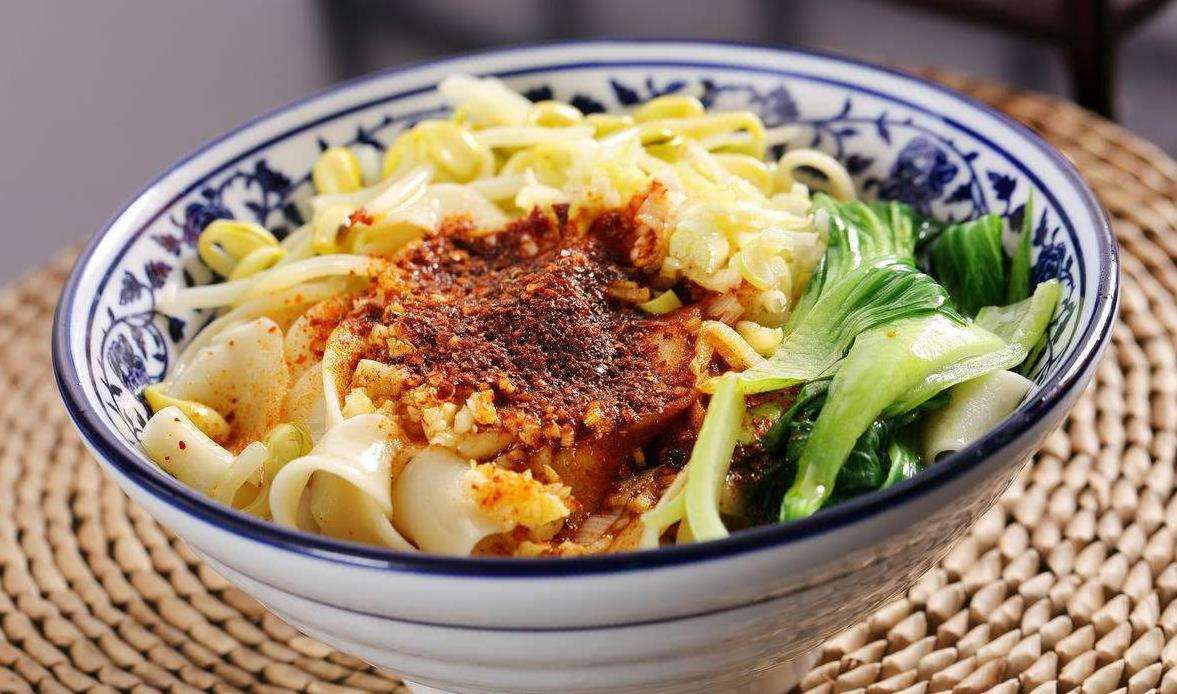
- 2.20 Biang Biang Noodles (biángbiáng 面)
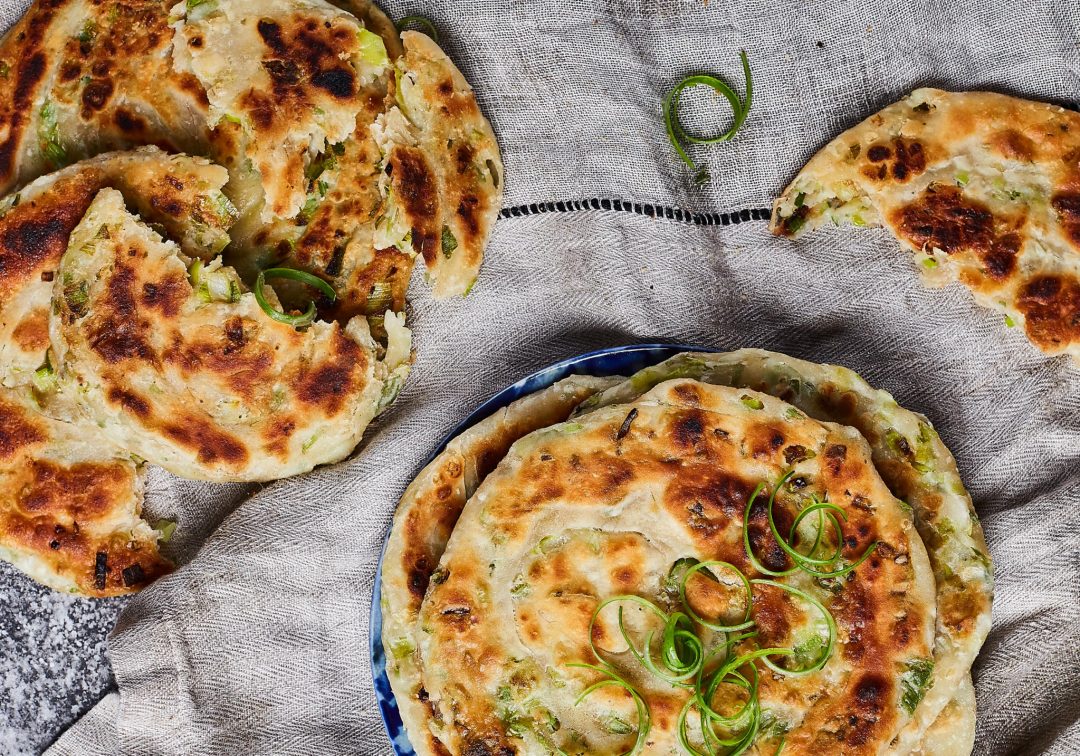
- 2.21 Cong You Bing (葱油饼)
- 2.22 Stinky Tofu (臭豆腐)
- 2.23 Wontons (馄饨)
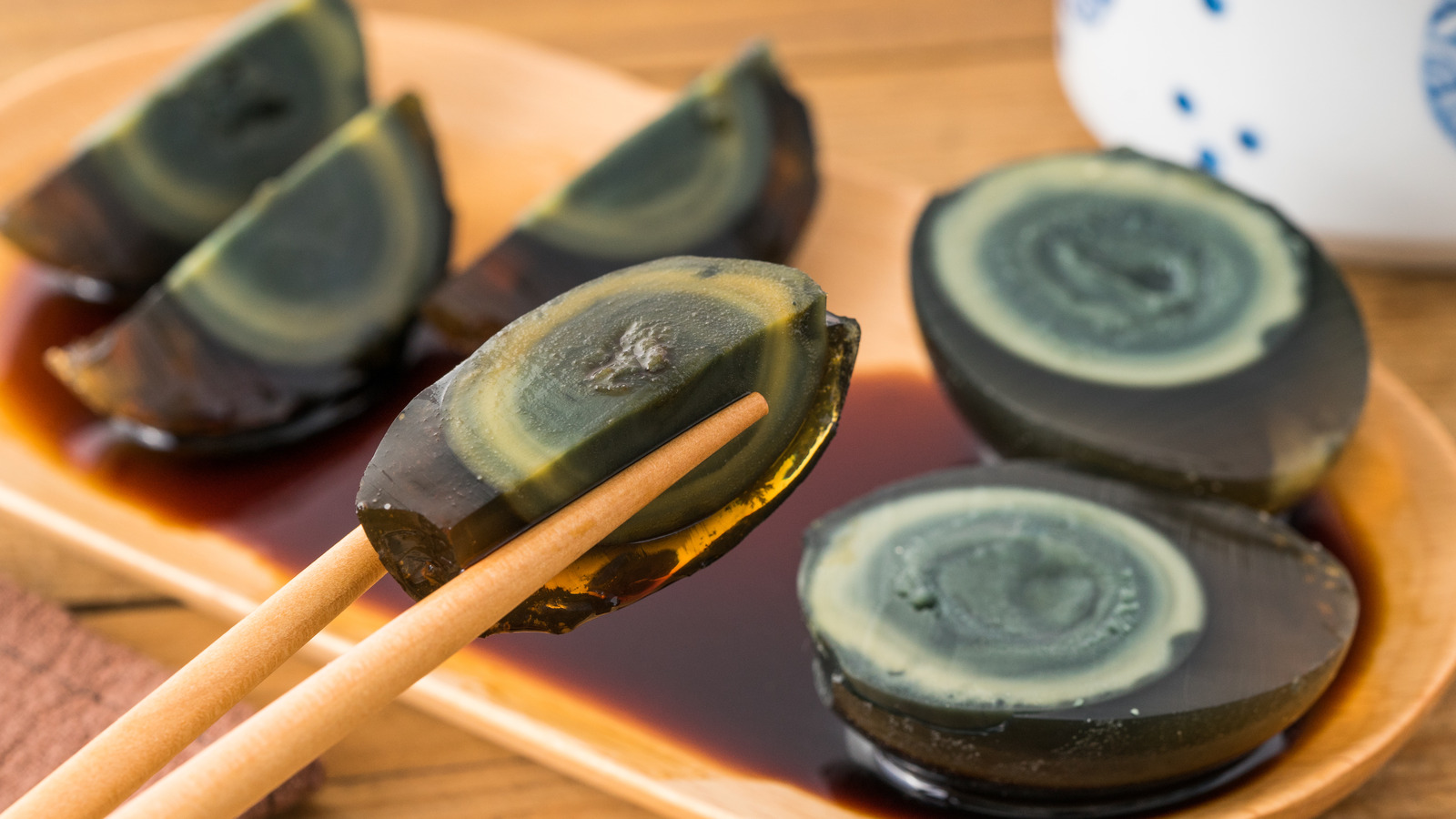
- 2.24 Century Egg (皮蛋)
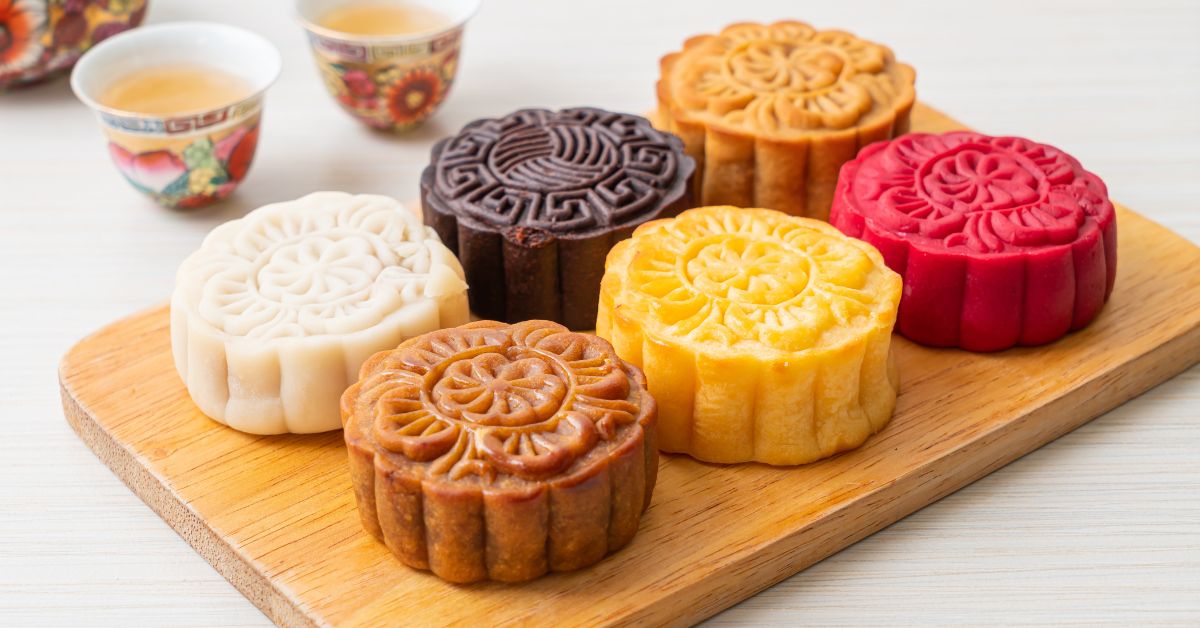
- 2.25 Mooncakes (月饼)
- 2.26 Roujiamo (肉夹馍)
- 2.27 Guilin Rice Noodles (桂林米粉)
- 2.28 Yunnan Crossing Bridge Noodles (云南过桥米线)
- 2.29 Fujian Buddha Jumps Over the Wall (佛跳墙)
- 2.30 Hakka Stuffed Tofu (客家酿豆腐)
- 3 We Are The Perfect Guides on Your China Journey!
Contact us Now
The 8 Cuisines of China
Chinese cuisine, with its rich flavors, diverse ingredients, and unique cooking techniques, holds a special place in the culinary world. Originating from various regions of China, each dish tells a story of the local climate, traditions, and culture, making Chinese cuisine an intricate tapestry of tastes and textures.
History of Chinese Cuisine
Chinese cuisine has a long and storied history that dates back to ancient times. Over thousands of years, various dynasties have contributed to the development and refinement of the cuisine, each leaving its own imprint.
Trade along the Silk Road introduced new ingredients and flavors, while regional variations led to the creation of distinctive culinary styles.
The philosophy of balancing Yin and Yang and the five elements – wood, fire, earth, metal, and water – also played a pivotal role in shaping the cuisine, emphasizing harmony in taste, texture, and nutritional value.

Eight Cuisines of China
Chinese cuisine is traditionally divided into eight regional cuisines, each with its unique characteristics and flavors:
Shandong Cuisine
Originating from the Shandong Province in Northern China, this cuisine is known for its seafood dishes, light and savory flavors, and precise cooking techniques, with a preference for braising and quick frying.

Sichuan Cuisine
Hailing from the Sichuan Province, this cuisine is famed for its bold, spicy flavors, with the liberal use of garlic, chili peppers, and the unique Sichuan peppercorn, which gives a numbing sensation.

Guangdong (Cantonese) Cuisine
From the Guangdong Province, Cantonese cuisine is characterized by its variety of ingredients, including everything from snakes to cats. It emphasizes fresh, crisp, and sweet flavors, with a preference for stir-frying, steaming, and roasting.

Fujian Cuisine
Fujian cuisine, originating from the Fujian Province, is known for its seafood dishes, umami taste, and a variety of soups and broths, often cooked with the unique “red distillers’ grain” for added flavor.

Jiangsu Cuisine
Hailing from the Jiangsu Province, this cuisine features fresh, mild, and sweet flavors, with an emphasis on soups. It’s known for its meticulous preparation and cooking techniques, which often involve braising and stewing.

Zhejiang Cuisine
Originating from the Zhejiang Province, this cuisine is known for its fresh and mellow flavors, with a variety of seafood dishes. Cooking methods include quick-frying, braising, and stewing, aiming to preserve the ingredients’ original flavors.

Hunan Cuisine
From the Hunan Province, this cuisine is known for its hot and spicy flavors, fresh aroma, and deep colors, using various cooking methods such as stewing, frying, pot-roasting, and smoking.

Anhui Cuisine
Anhui cuisine, from the Anhui Province, features wild herbs and simple, rustic flavors, with an emphasis on the original taste of the ingredients. Braising and stewing are the preferred cooking methods.

Together, these eight cuisines offer a diverse and comprehensive overview of Chinese culinary art, each contributing to the rich and varied tapestry of flavors that define Chinese cuisine.
30 Most Popular Dishes Among Chinese People
Now, that you know how to differentiate cuisines from different regions of China, let’s take a look at the most popular dishes.
Peking Duck (北京烤鸭)
Originating from Beijing, Peking Duck is renowned for its crispy, flavorful skin and tender meat. The duck is seasoned and air-dried before being roasted until the skin is crispy.
It is traditionally served with thin pancakes, hoisin sauce, and sliced scallions. People enjoy this delicacy in restaurants, especially during celebrations, and it’s a must-try for many tourists visiting Beijing.

Dim Sum (点心)
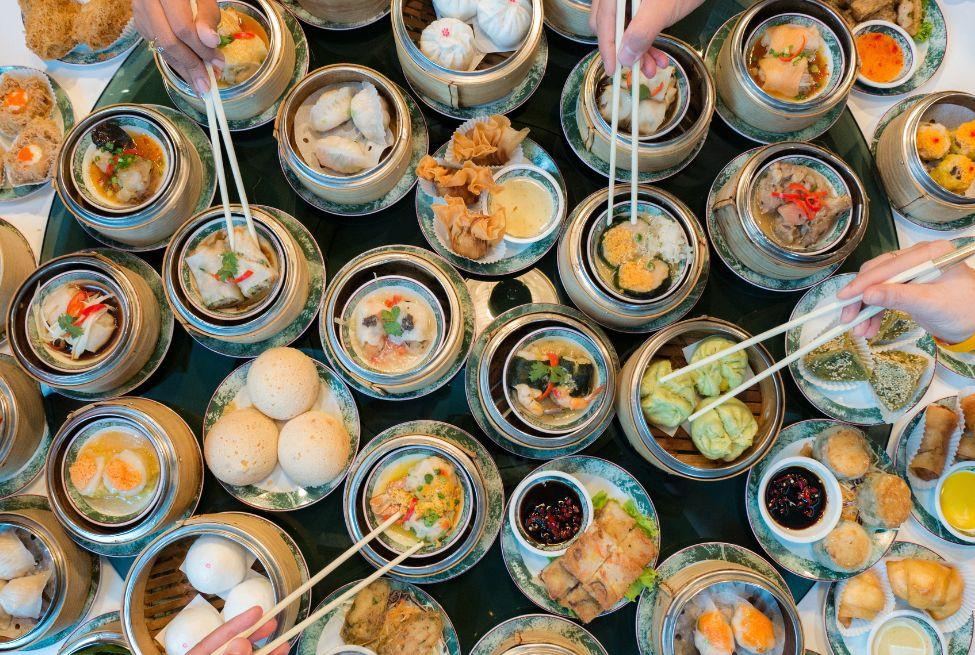
Dim Sum, originating from Guangdong, encompasses a variety of small, flavorful bite-sized dishes ranging from dumplings to buns and pastries. They are steamed, baked, or fried and are typically enjoyed with tea, especially during “Yum Cha” sessions in the morning or early afternoon in teahouses and restaurants.
Hot Pot (火锅)
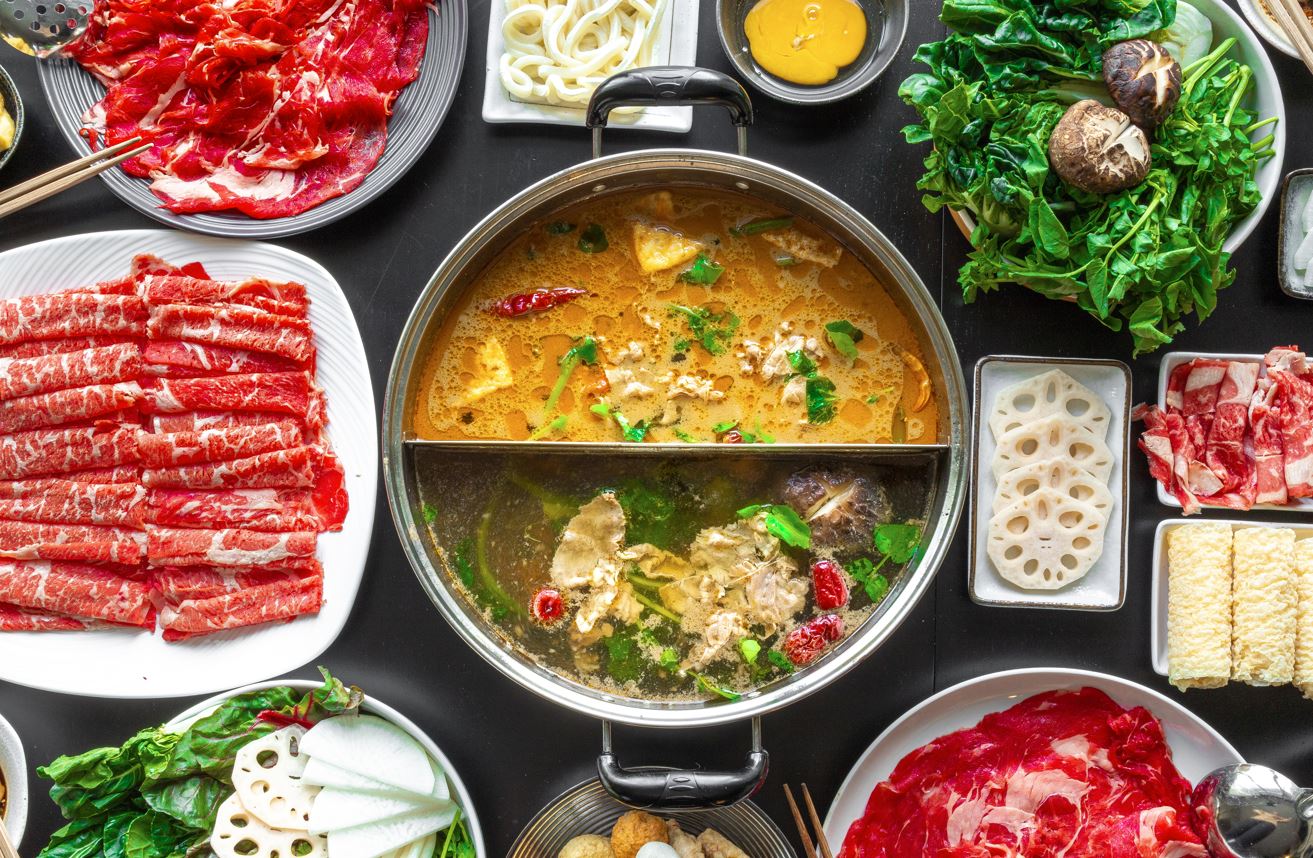
Originating from Chongqing and Sichuan, Hot Pot is a communal eating style popular nationwide. A simmering pot of broth is placed at the center of the table, surrounded by a variety of raw ingredients like meat, seafood, vegetables, and noodles that diners cook themselves. It’s particularly popular in winter and is enjoyed in specialized hot pot restaurants.
Baozi (包子)
Baozi are steamed buns with various fillings like meat, vegetables, or sweet red bean paste. This versatile dish, enjoyed throughout China, is a common breakfast item and snack and is sold by street vendors and restaurants.

Jiaozi (饺子)
Jiaozi are traditional Chinese dumplings typically filled with meat and/or vegetables. They are a symbol of good fortune and are traditionally eaten during the Chinese New Year in Northern China, especially in family gatherings. They can be boiled, steamed, or pan-fried, often eaten with vinegar, spicy sauce or soy sauce.

Jianbing (煎饼)
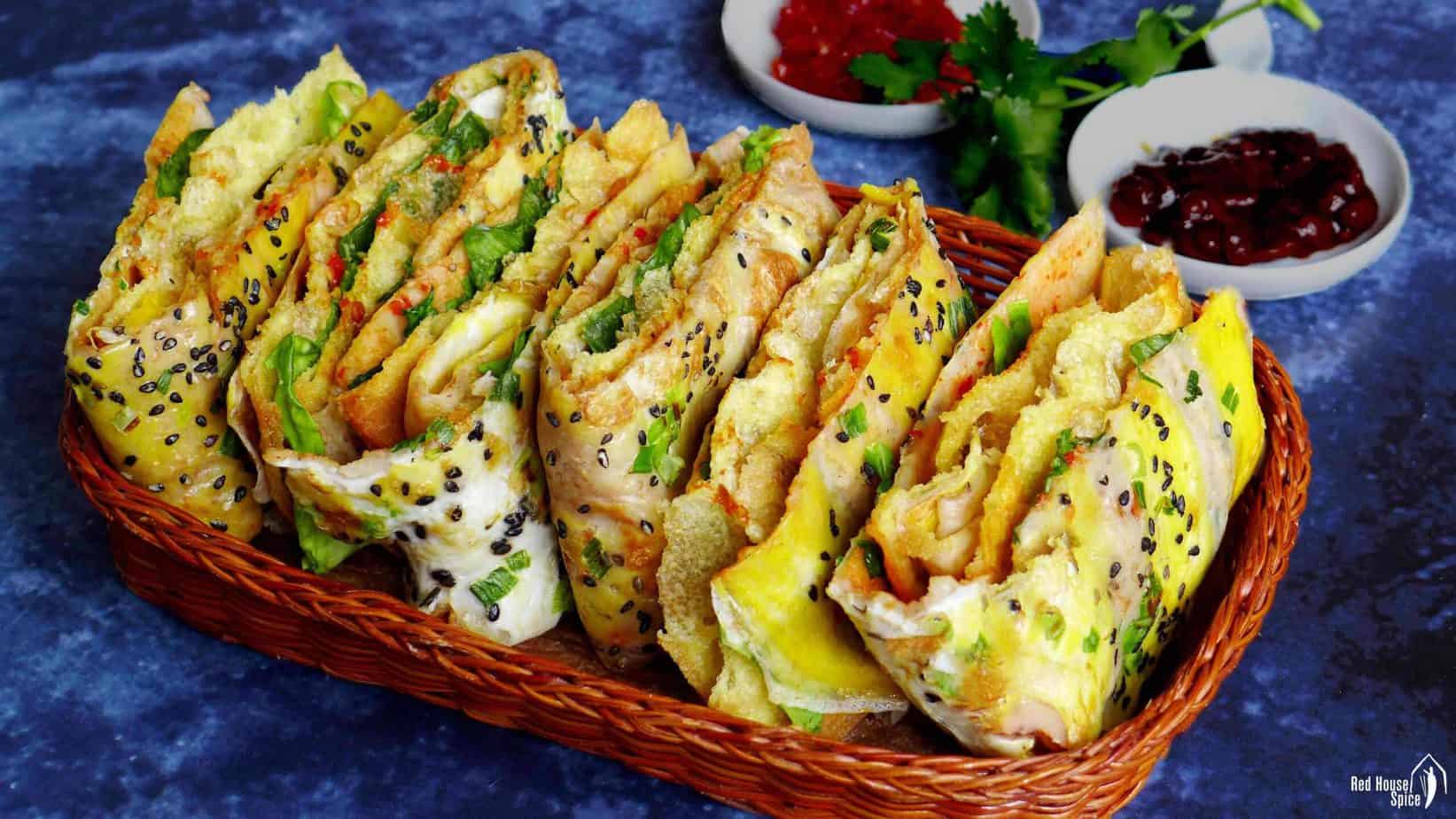
Jianbing, a popular street food breakfast crepe from Tianjin, is made with a batter of wheat and grain flour, eggs, and is loaded with green onions, hoisin sauce, crispy fried dough, and sometimes additional fillings. It’s a common breakfast item, enjoyed on-the-go.
Mapo Tofu (麻婆豆腐)
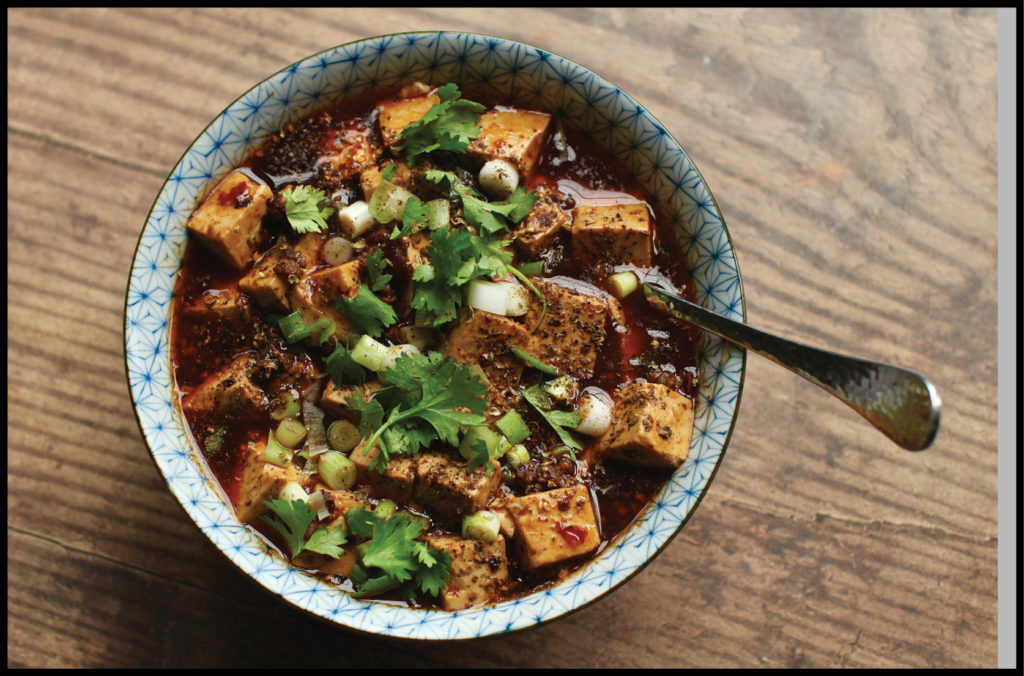
Originating from Sichuan, Mapo Tofu consists of tofu set in a spicy chili- and bean-based sauce, typically with minced meat. The dish is known for its numbing and spicy flavor, resulting from the combination of chili peppers and Sichuan peppercorns. It’s a staple in both home cooking and restaurant menus.
Kung Pao Chicken (宫保鸡丁)
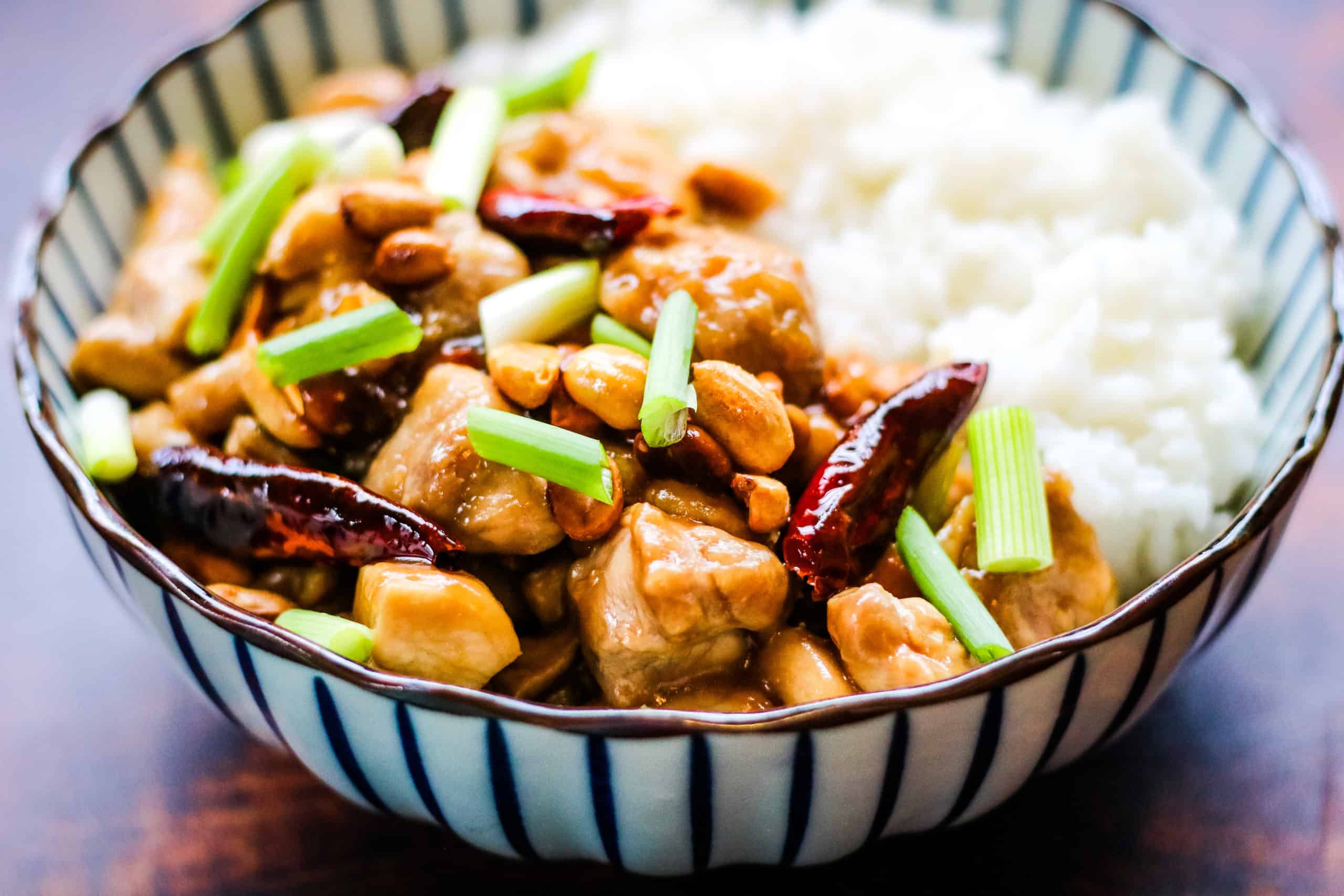
A classic Sichuan dish, Kung Pao Chicken features diced chicken, peanuts, vegetables, and chili peppers. The dish is well-loved for its flavorful, slightly sweet, and spicy sauce and is a common offering in restaurants and family gatherings.
Sweet and Sour Pork (咕嚕肉)
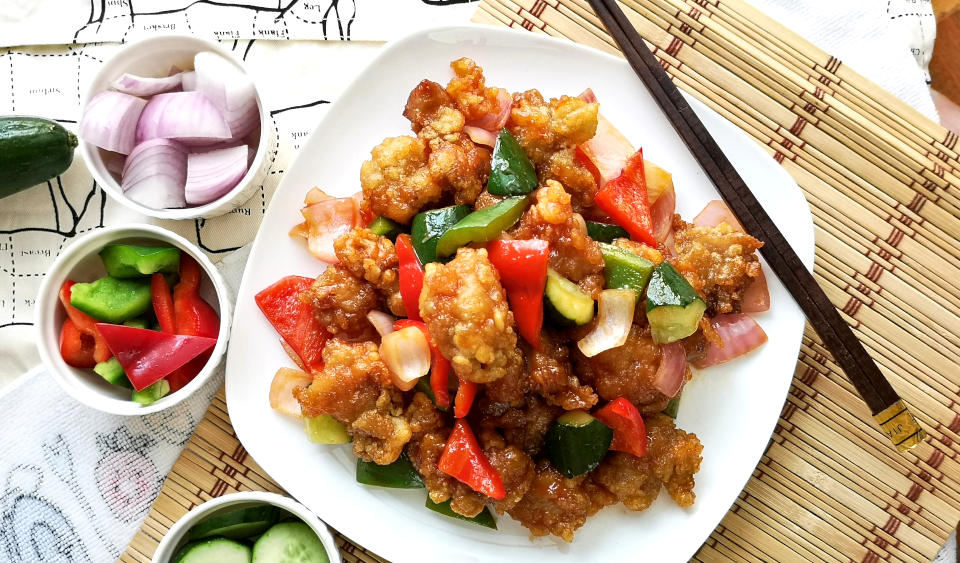
Originating from Jiangsu, Sweet and Sour Pork features deep-fried pork pieces in a brightly colored sweet and sour sauce made from sugar, ketchup, and vinegar. This dish is a staple in many Chinese restaurants and is enjoyed during regular meals and festive occasions.
Yangzhou Fried Rice (扬州炒饭)
Originating from Yangzhou, this fried rice dish is a delightful mixture of ingredients like shrimp, ham, peas, and eggs, giving it a colorful and appetizing appearance. It’s a common dish in restaurants across China and is often enjoyed as a main course or side dish.

Lanzhou Hand-Pulled Noodles (兰州拉面)
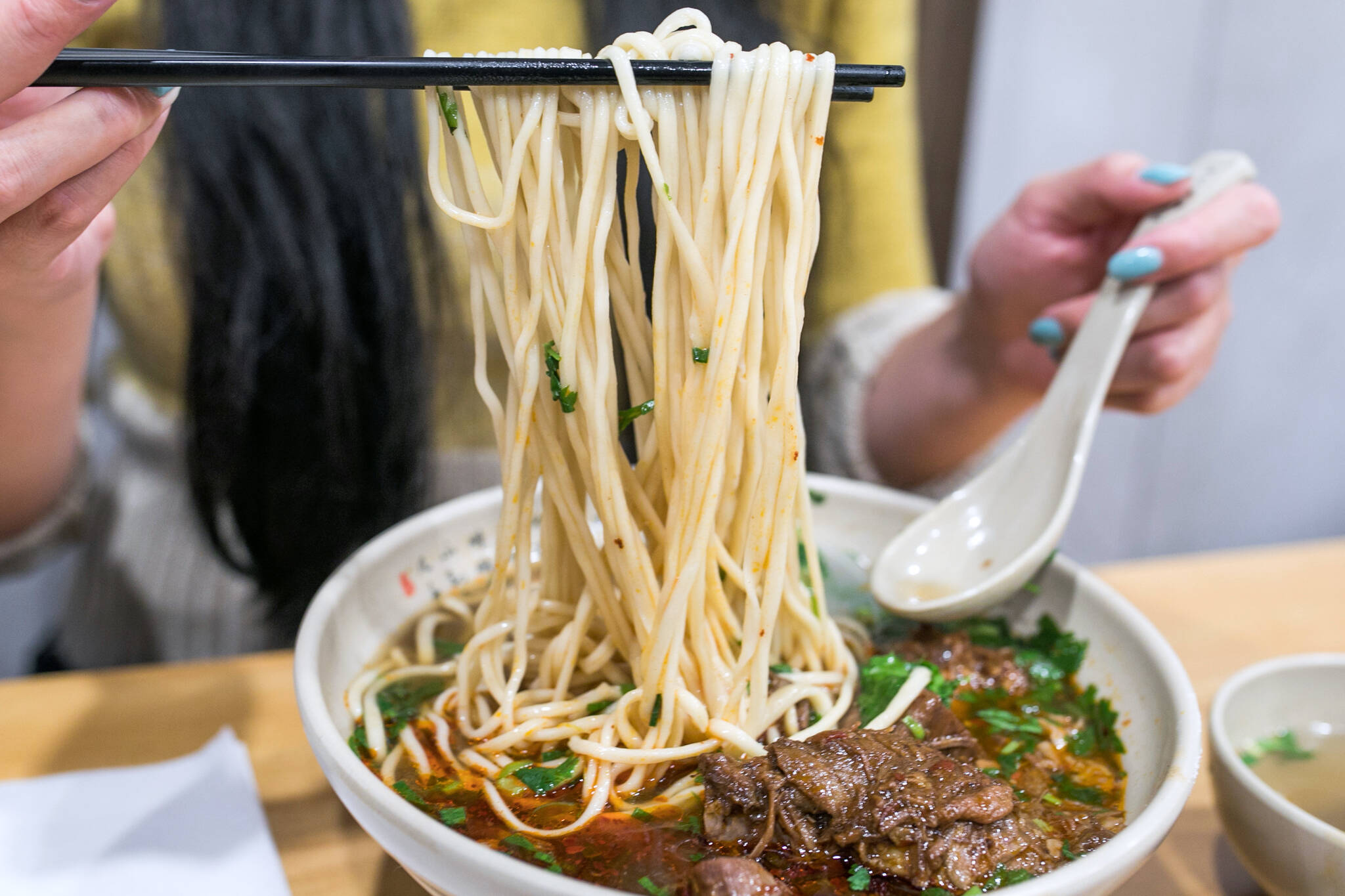
This dish from Lanzhou features hand-pulled noodles served in a flavorful beef broth with sliced beef, radish, and cilantro. It’s a popular street food and is commonly consumed as a hearty meal in noodle shops throughout China.
Xiaolongbao (小笼包)
Xiaolongbao are steamed soup dumplings originating from Shanghai. They are typically filled with pork and a rich, savory broth. These dumplings are a popular delicacy enjoyed in restaurants, and people often consume them with ginger and vinegar or soy sauce.

Beggar’s Chicken (叫花鸡)
A traditional dish from Jiangsu province, Beggar’s Chicken involves wrapping a whole, marinated chicken in clay and slowly baking it. The result is incredibly tender and flavorful meat. This dish is often reserved for special occasions due to its lengthy preparation time.

Yuxiang Rousi (鱼香肉丝)
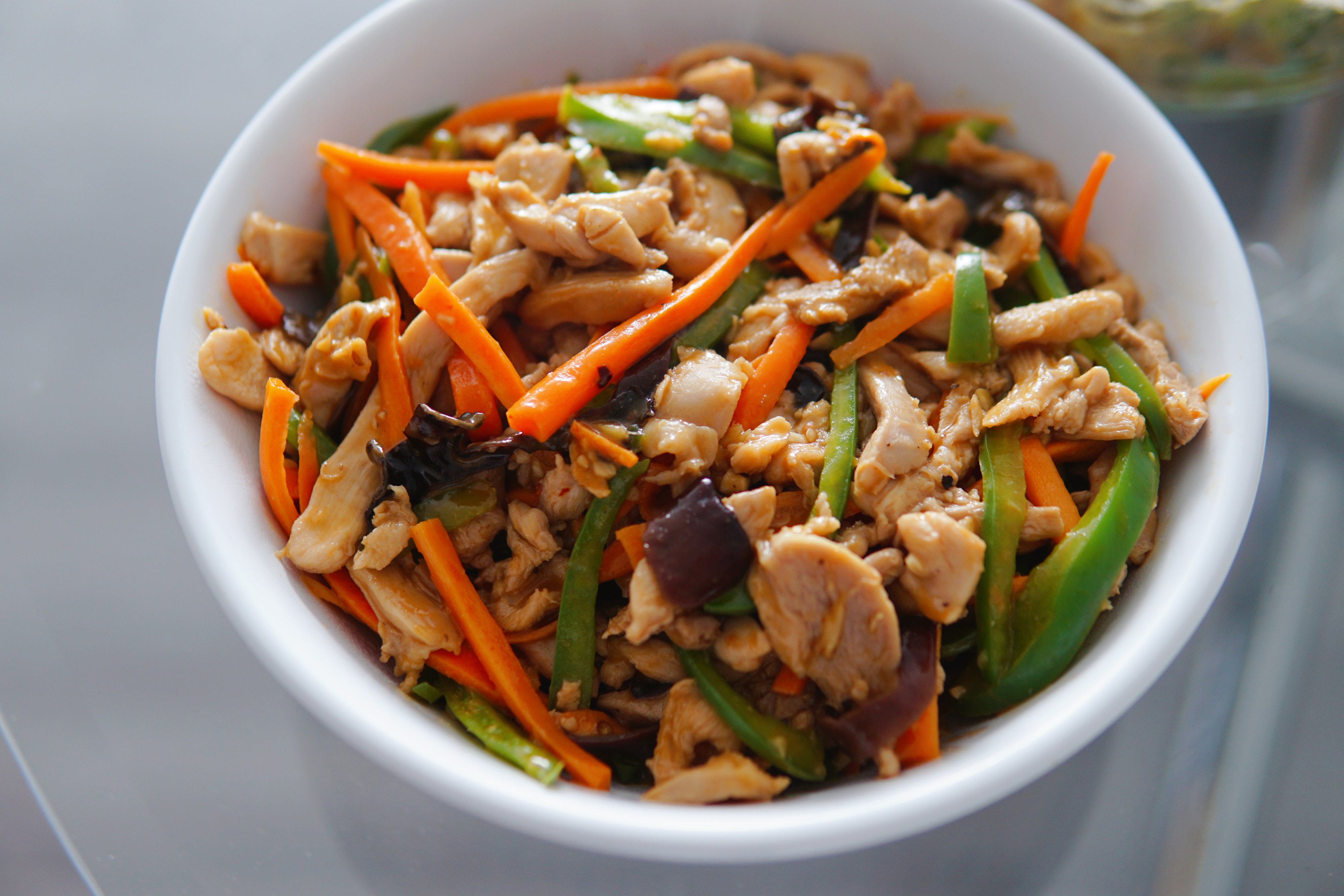
Yuxiang Rousi, a dish from Sichuan province, translates to “fish-fragrant pork slices“. It is made with pork, peppers, and other vegetables in a spicy, sweet, and sour sauce. Despite its name, the dish doesn’t contain fish but mimics the flavors used in traditional Sichuan fish cooking.
Hainanese Chicken Rice (海南鸡饭)
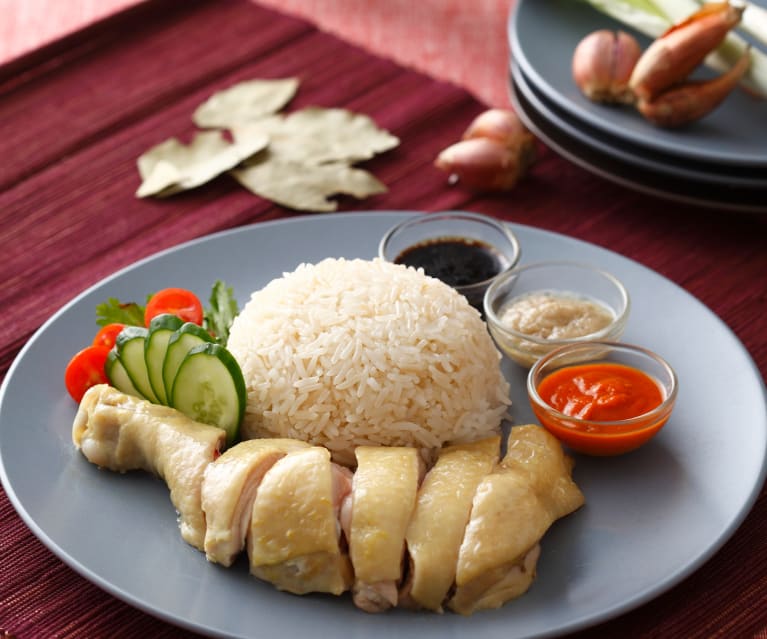
Originating from Hainan, this dish features poached chicken with a gelatinous texture, served with rice cooked in chicken broth and various dipping sauces. It’s a staple dish enjoyed in both regular meals and during festivals in Hainan.
Zha Jiang Mian (炸酱面)
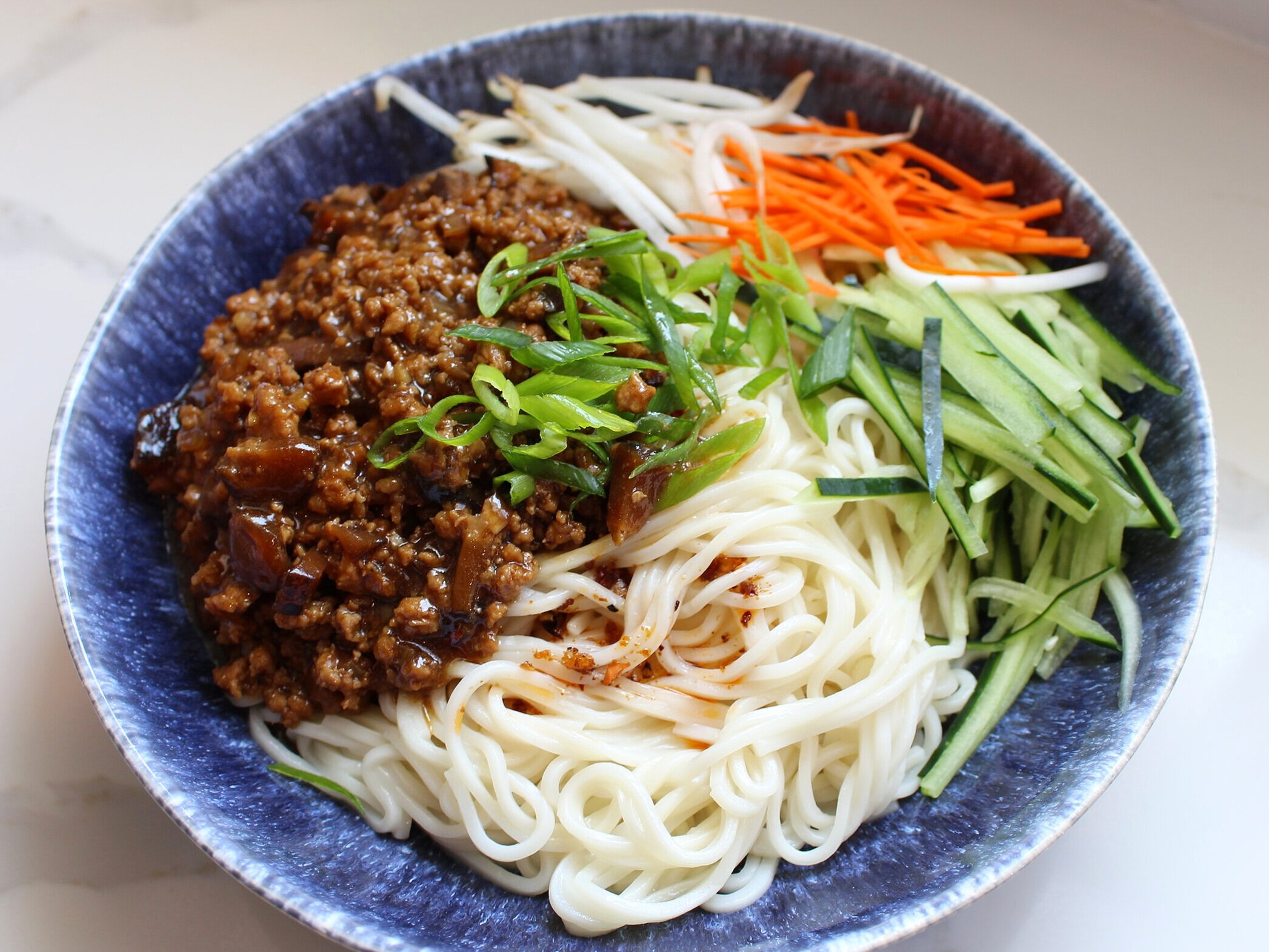
Zha Jiang Mian are Beijing-style noodles topped with a savory soybean paste sauce, minced meat, and various fresh and pickled vegetables. It’s a common everyday meal enjoyed in homes and restaurants.
Pineapple Buns (菠萝包)
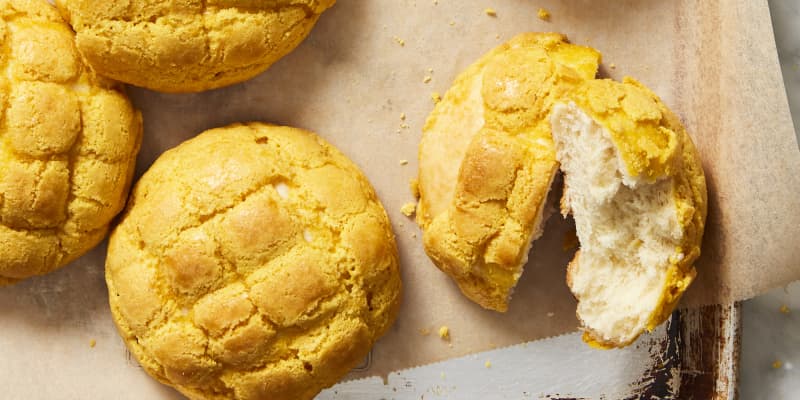
Pineapple Buns are sweet buns predominantly popular in Hong Kong. They have a sugar-crusted top that resembles a pineapple’s surface, hence the name. They are commonly enjoyed as a snack or breakfast item in bakeries and cafes.
Dan Dan Noodles (担担面)
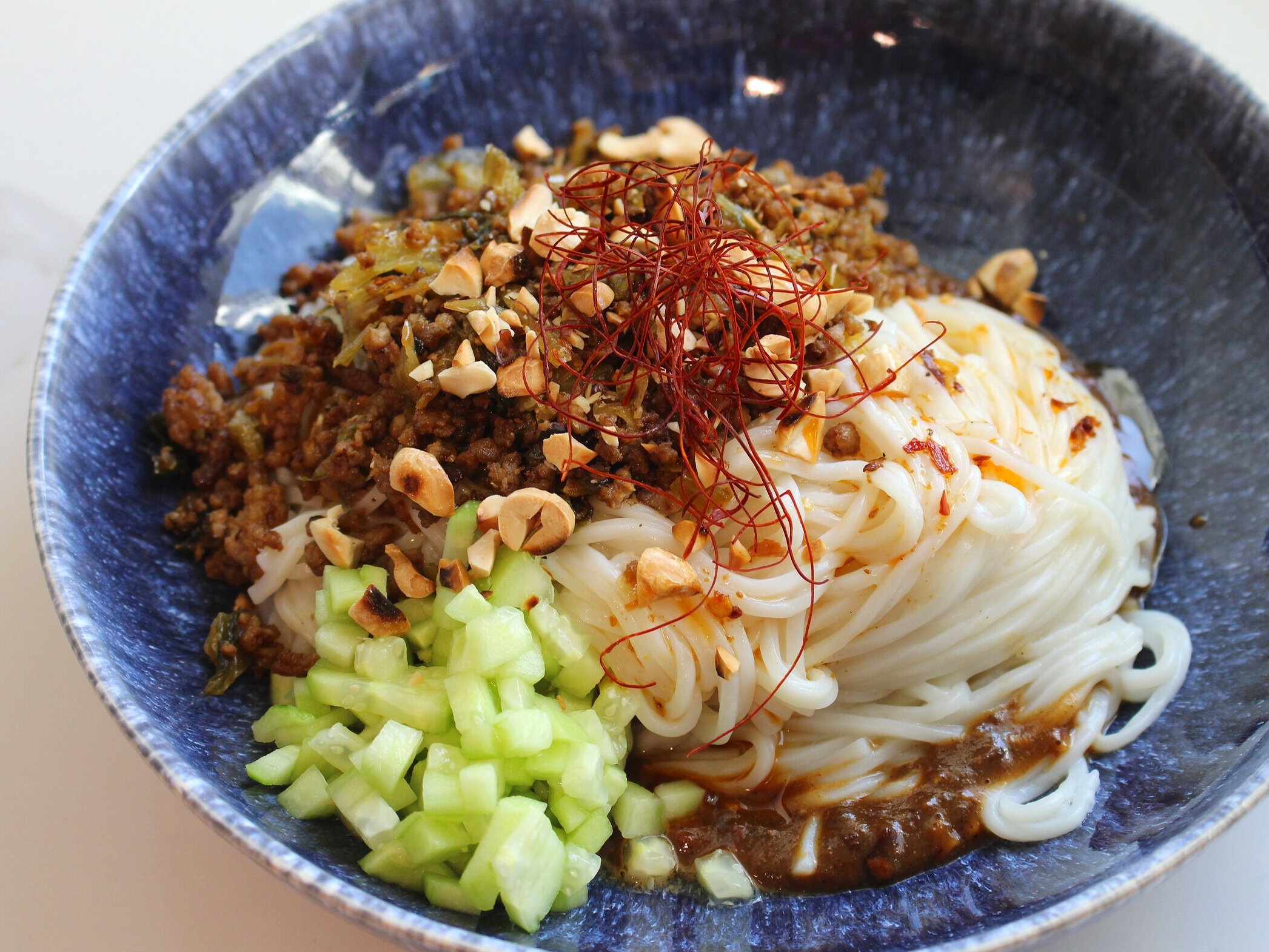
A spicy noodle dish from Sichuan, Dan Dan Noodles consists of noodles covered with a sauce of sesame paste, chili oil, minced pork, and green onions. It’s a popular street food and is also enjoyed in restaurants as a main dish.
Cantonese Roast Pork (叉烧)
Cantonese Roast Pork, or Char Siu, is a dish from Guangdong. The pork is marinated in a sweet and savory glaze before being barbecued or roasted. It’s commonly enjoyed in Cantonese restaurants, often with rice or noodles.

Biang Biang Noodles (biángbiáng 面)
Biang Biang Noodles, from Shaanxi province, are known for their thickness and length. The hand-pulled noodles are served with a spicy and savory sauce, often topped with vegetables and meat. They are enjoyed in restaurants and are a staple in the region.
Cong You Bing (葱油饼)
Cong You Bing are Chinese scallion pancakes, a savory, non-leavened flatbread folded with oil and minced scallions. They are typically enjoyed as a snack or breakfast item and are sold by street vendors and in restaurants.
Stinky Tofu (臭豆腐)
Stinky Tofu is a form of fermented tofu with a strong odor, typically deep-fried and served with chili sauce. Originating from the Southeastern maritime provinces, it’s a popular street food in night markets, especially in Taiwan and Hunan province.

Wontons (馄饨)
Wontons are small dumplings typically filled with minced meat and/or shrimp. They can be boiled and served in soup or fried and eaten with dipping sauce. Wontons are enjoyed throughout China in restaurants and homes, especially during winter.
:max_bytes(150000):strip_icc()/pork-and-shrimp-wonton-4077052-hero-01-3215d83b87704242a85db72b4201ebc1.jpg)
Century Egg (皮蛋)
A preserved egg product made by curing eggs, Century Eggs have a jelly-like consistency and a strong, unique flavor. They are often eaten with congee or used in cooking and are available year-round in markets.
Mooncakes (月饼)
Mooncakes are traditional Chinese pastries enjoyed during the Mid-Autumn Festival. They are typically filled with sweet bean paste or lotus seed paste and sometimes contain salted egg yolks, symbolizing the moon. They are exchanged as gifts and shared among family and friends during the festival.
Roujiamo (肉夹馍)
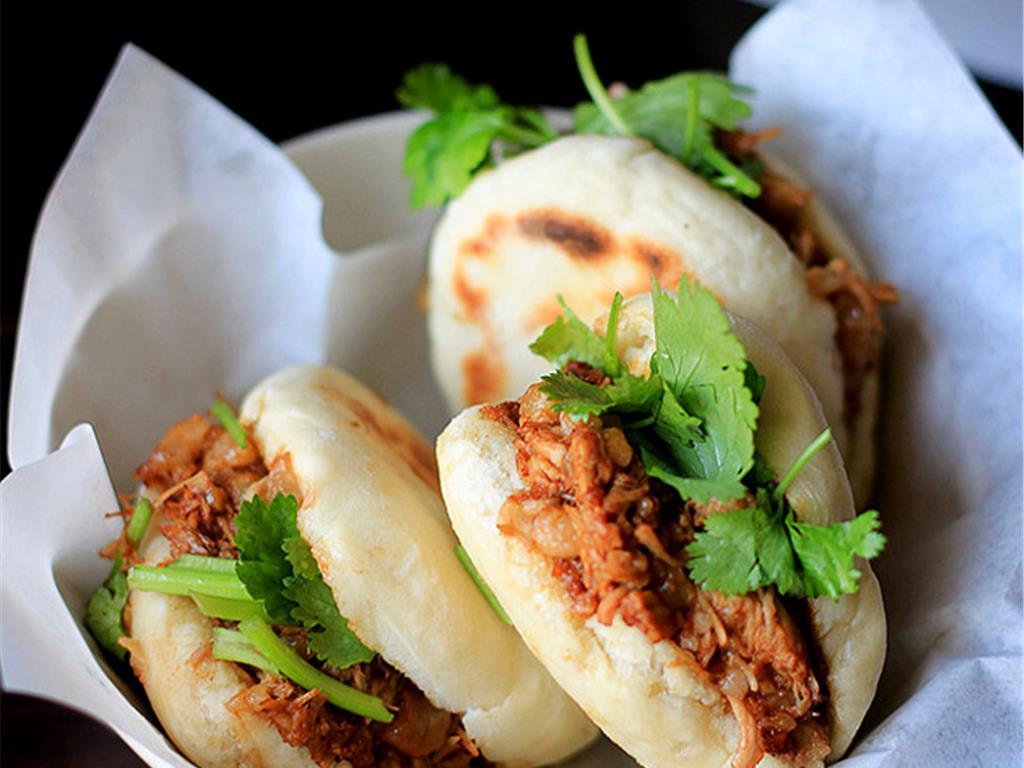
Roujiamo, often referred to as a Chinese hamburger, is a Shaanxi specialty. It consists of chopped meat (usually pork or beef) with spices and herbs, stuffed in a flatbread. It’s a popular street food and is enjoyed throughout the day.
Guilin Rice Noodles (桂林米粉)
A popular dish in Guilin, Guangxi, Guilin Rice Noodles are served in a broth, often with sliced beef, pork, vegetables, and peanuts. This dish is a staple in the region and is commonly enjoyed in specialized noodle shops.

Yunnan Crossing Bridge Noodles (云南过桥米线)
A noodle soup from Yunnan, Crossing Bridge Noodles come with a separate serving of ingredients including meats, vegetables, and noodles, which are added to the hot broth by the diner. It’s a common meal in Yunnan and is enjoyed in restaurants specializing in this dish.

Fujian Buddha Jumps Over the Wall (佛跳墙)
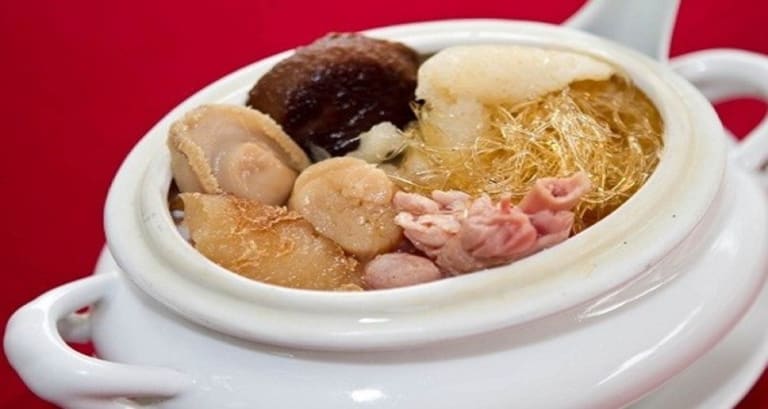
Buddha Jumps Over the Wall is a luxurious Fujian dish made with various high-quality ingredients like shark fin, sea cucumber, abalone, and shiitake mushrooms, slow-cooked to perfection. This dish is reserved for special occasions and is enjoyed in high-end restaurants.
Hakka Stuffed Tofu (客家酿豆腐)
Hakka Stuffed Tofu consists of tofu cubes stuffed with a mixture of ground meat and herbs, then cooked in a savory sauce. This dish is primarily found in Guangdong, Fujian, and Taiwan and is enjoyed in homes and restaurants, representing the culinary traditions of the Hakka people.

We Are The Perfect Guides on Your China Journey!
Embarking on a culinary journey through the vast landscapes of China has uncovered a myriad of flavors, textures, and cooking traditions. From the spicy kick of Sichuan cuisine to the sweet subtlety of Jiangsu dishes, each region tells its unique tale through the language of food.
At Gentlemen Marketing Agency, we understand the power of connection and the universal language of food. For Western brands aiming to establish a presence in China, tapping into the culinary heritage is an insightful way to understand the preferences and lifestyles of the Chinese people.

By integrating this knowledge into tailored marketing and e-commerce solutions, we help brands build meaningful relationships and navigate the vibrant and diverse Chinese market.
Whether your brand is related to the food industry or operates in a different sector, understanding the cultural nuances and regional diversities of China can be a game-changer.
Let the Gentlemen Marketing Agency be your guide in exploring opportunities, building connections, and crafting strategies that resonate with the Chinese audience. Together, let’s cook up success in the dynamic and ever-evolving Chinese market! Contact us to schedule a free consultation with one of our experts.

4 comments
Prak
Hello 🙂
I will share my experienced with you… As the CEO of our Indonesian food brand, I’m super excited sharing why Chinese consumers so love imported food for gifts as we head into 2026. China market huge for us, with imported food sales growing strong every year, especially premium snacks, chocolates, dairy, and exotic items like our spicy kerupuk or tropical treats.
———————————————————————————————————————————
Chinese people really love giving imported food as gifts because it shows status and prestige…what Chinese (asian) call “mianzi” or face 🙂
Yes … fpr us Imported stuff feels more premium, safer, and special compared to local ones, especially after past food safety issues like the milk scandal years ago. Consumers trust foreign brands more for quality and no additives, so giving something from abroad like European chocolates or Australian dairy says “I care about you” and makes the giver look good. It’s perfect for festivals like Chinese New Year, Mid-Autumn, or business guanxi—building relationships.
Packaging super important for food brands in China, lah! Chinese buyers judge a lot by looks, especially for gifts. Beautiful, elegant boxes with bright colors, fancy designs, or gift sets make it feel luxurious and thoughtful. Imported products often win because they come hand-picked and well-packaged—think premium hampers or limited editions. Good packaging protects the product, shows respect, and adds that wow factor when opening. We always invest in nice, eco-friendly designs with cultural touches like red for luck, to stand out on shelves or online.
—————————————————————————-
That’s why e-commerce now the main source for imported food in China way easier and less trouble! Platforms like Tmall Global, JD Worldwide, or Douyin let us sell direct via cross-border without local company setup. No heavy customs hassle, lower taxes (often zero tariffs), faster delivery from bonded warehouses, and direct control on branding. Traditional distributors? Wah, big pain—delayed payments, stock damage, extra fees, poor shelf space. E-com jumps sales fast with live streams and KOLs, secure payments, and happy customers getting fresh products quick.
We’re proud bringing Indonesia’s yummy flavors to Chinese tables—one thoughtful gift pack at a time.
What imported foods do Chinese friends love gifting most in your experience? And you prefer buying via e-com or offline stores?
Olivier VEROT
Thank you for sharing your experience
Prak
Hello
nice article marketingtochina.
As the CEO of our Indonesian food brand lah, I never more excited about bringing our authentic snacks and instant foods to China market as we wrap up 2025. China is huge opportunity for us, with growing love for exotic flavors like our spicy indomie, kerupuk, and tropical coffee; cross-border trade booming, especially for premium and unique Indonesian products that Chinese consumers crave for variety and quality. 😉
———————————————————————————————————
What really pump me up is the premium trend here. Urban Chinese, especially young ones in big cities, looking for tasty, convenient imports that feel authentic and fun. Our brand focus on halal-certified, natural ingredients from Indonesia’s rich land, perfect for snacking or quick meals that stand out from local options. 🙂
Sustainability very close to my heart; we source responsibly from local farmers, eco-friendly packaging, aligning with China’s green awareness. Innovation also key: exciting flavors, ready-to-eat packs, and strong online presence reaching fans nationwide via platforms like Tmall Global and JD Worldwide.
I be honest though—early days, we try traditional distributors in China, and wah, big headache. Partner promise big network, but payments always delay, like months late; stock sitting in warehouse too long, expire or damage; they push own brands more, our products get little shelf space. Customs paperwork messy, extra fees pop up, and communication tough with language and culture gap. Lost a lot money and time, almost give up.
That why now I much prefer e-commerce in China—way easier and smarter. No need local entity, direct to consumer via cross-border platforms, faster customs, better control on branding and pricing. We see sales jump quick with live streams and KOLs, payments secure, logistics smoother. Traditional way too risky for food imports with shelf life issues.
Olivier VEROT
Thank you for sharing your experience